Risk Reduction
Purpose
This resource document is designed to serve as a hub for information to reduce substance use–related risk by improving access to trusted, evidence-based risk reduction resources. The goal is to support the safety, dignity, and well-being for individuals who use substances, as well as their families, loved ones, and the providers who support them.
Risk reduction recognizes that people are at different stages in their substance use journeys. This resource focuses on practical strategies that help reduce risk, prevent overdose, and connect individuals to support — without judgment or requirement for abstinence.
What Is Risk Reduction?
Risk reduction focuses on strategies that help people stay safer and healthier, regardless of whether they are actively using substances, reducing use, or seeking treatment.
Rather than requiring change as a condition for support, risk reduction:
- Meets people where they are
- Prioritizes safety and survival
- Reduces preventable risk
- Supports informed decision-making
Risk reduction approaches are evidence-based and widely recognized as an essential part of substance use prevention, treatment, and recovery systems. In fact, people who engage in risk reduction programs are five times more likely to enter treatment for substance use disorder (Hagan 2000).
Overdose Prevention & Safety
Overdose prevention is a critical component of substance use risk reduction. Access to accurate information and lifesaving tools can significantly reduce overdose-related risk and death.
Key supports include:
- Naloxone (Narcan®) access and training
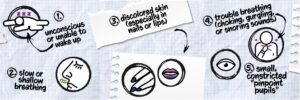
- Education on recognizing signs of overdose
- Information on when and how to call emergency services
- Awareness of Good Samaritan protections (where applicable)
Resources:
- SAMHSA Overdose Prevention Toolkit (PDF)
- CDC Overdose Prevention Resources
- Never Use Alone Hotline (1-800-484-3731)
Naloxone
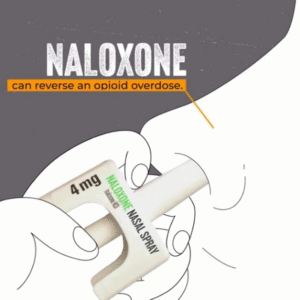
Naloxone, brand name Narcan®, is a medication that can reverse an opioid overdose by restoring breathing. It is safe, not addictive, and can be used by anyone. Using naloxone on someone who is not having an opioid overdose will not harm them.
Use naloxone and call for help if someone is not breathing normally, can’t wake up, has blue or gray lips or fingernails, or is making gurgling sounds.
Naloxone is available as a spray, intramuscular or subcutaneous injectable. The most common version used is the nasal spray and is easy to use: CDC Guide: How to Use Naloxone Nasal Spray
If you think someone may be overdosing:
- Call 911 (or have someone else call)
- Check breathing and responsiveness
- Give naloxone (most naloxone is a nasal spray)
- Wait 2–3 minutes
- If there is no response, give another dose (switch nostrils)
- Stay with the person until help arrives
If you’re unsure whether it’s an overdose, it’s safer to give naloxone.
Safer Use & Risk Reduction Strategies
Safer use strategies aim to reduce health risks associated with substance use, including overdose, infection, and injury. These strategies do not encourage use — they acknowledge reality and prioritize safety as a public health strategy.
Examples include:
- Safer use education (based on method of use)
- Fentanyl and xylazine awareness
- Drug checking information such as test strips (where legal and available)
- Syringe Service Programs
- Reducing risk when using alone
Resources:
- National Harm Reduction Coalition
- NextDistro (risk reduction supply access)
- Drug Checking For The People
- HOPE Consortium Vending Machine Guide (PDF)
– A comprehensive resource with ideas and recommendations for items to include in public health vending machines.
Support for Families & Loved Ones
Substance use affects not only individuals, but also families, friends, and caregivers. Risk reduction for loved ones focuses on education, support, and reducing stigma while promoting safety.
Resources:
Local Resources
Local resources play a critical role in effective risk reduction. This section includes community-based programs, health departments, risk reduction organizations, and treatment providers that serve the region.
- Local Naloxone Distribution Sites, Public Health Vending Machines, and Syringe Service Programs Guide (PDF)
- Wisconsin DHS Substance Use: Harm Reduction
(Local resources will be added and updated over time to reflect available supports.)
Important Notes
- This resource hub focuses specifically on substance use–related risk reduction.
- Mental health, family, and basic needs resources may be referenced where they directly intersect with substance use risk.
- This is intended to be a living resource that evolves as community needs, partnerships, and evidence-based practices change.
Prefer a printable version? Download the HOPE Consortium Risk Reduction Guide (PDF)
Disclaimer: This document is not comprehensive and reflects information compiled by Family Health Center. Inclusion is for informational purposes only and does not constitute an endorsement of any resource. Visit the HOPE Consortium website for the latest version found under Resources.